
Essential details
Quantity(pieces):1
Shipping:Sea transport
Package Description:wooden case
Product Introduction
I. Product Overview
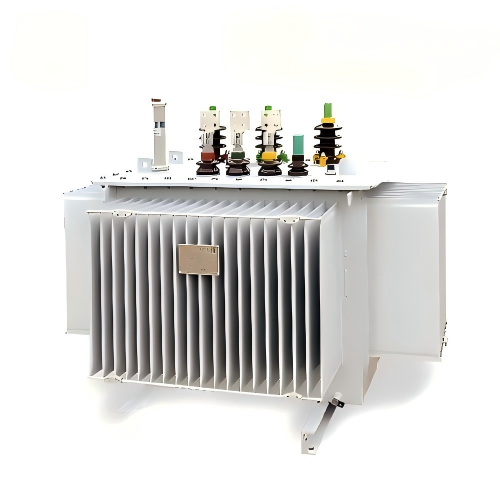
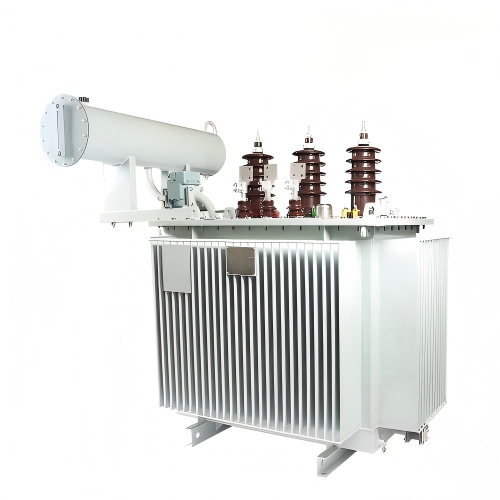
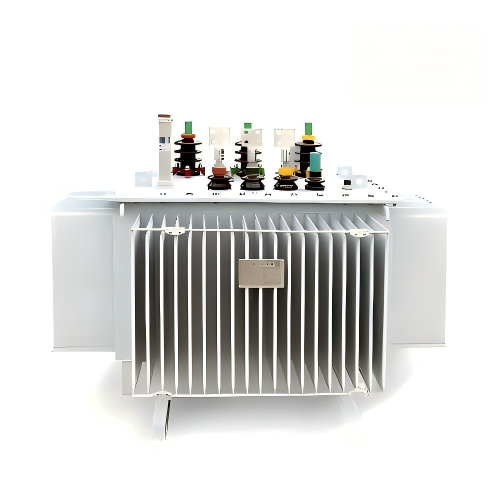
This series is a three-phase oil-immersed self-cooling non-excited voltage regulating distribution transformer, suitable for the AC 50Hz power system. It covers high-voltage side voltage levels of 6kV, 10kV, and 20kV, and the low-voltage side output is 0.4kV. It is mainly used in urban and rural power grids, industrial and mining enterprises, industrial parks, residential areas, photovoltaic/wind power box transformers, infrastructure, and various distribution projects to achieve voltage reduction, distribution, and control of electrical energy.
The product is iteratively classified by energy-saving grades as S9, S11, S13, S20, and S22. The losses gradually decrease and the energy efficiency continuously improves. The entire series adopts a fully sealed structure, which is reliable in operation, requires no maintenance, and has strong anti-short-circuit capability, in line with current national energy efficiency standards and environmental protection requirements.
II. Application Scope
High-voltage rated voltage: 6kV, 10kV, 20kV
Low-voltage rated voltage: 0.4kV
Rated frequency: 50Hz
Capacity range: 30kVA to 2500kVA
Cooling method: ONAN (oil-immersed self-cooling)
Connection group: Dyn11 (preferred), Yyn0
Voltage regulation method: Non-excited voltage regulation ±2×2.5% or ±5%
Operating environment: Indoor, outdoor, box-type substations, highlands, conventional and mild pollution environments
III. Model Meaning
Take S22-M-630/10 as an example:
S: Three-phase oil-immersed transformer
22: Design sequence number (loss / energy efficiency grade)
M: Fully sealed structure
630: Rated capacity 630kVA
10: High-voltage side rated voltage 10kV
This series is a three-phase oil-immersed self-cooling non-excited voltage regulating distribution transformer, suitable for the AC 50Hz power system. It covers high-voltage side voltage levels of 6kV, 10kV, and 20kV, and the low-voltage side output is 0.4kV. It is mainly used in urban and rural power grids, industrial and mining enterprises, industrial parks, residential areas, photovoltaic/wind power box transformers, infrastructure, and various distribution projects to achieve voltage reduction, distribution, and control of electrical energy.
The product is iteratively classified by energy-saving grades as S9, S11, S13, S20, and S22. The losses gradually decrease and the energy efficiency continuously improves. The entire series adopts a fully sealed structure, which is reliable in operation, requires no maintenance, and has strong anti-short-circuit capability, in line with current national energy efficiency standards and environmental protection requirements.
II. Application Scope
High-voltage rated voltage: 6kV, 10kV, 20kV
Low-voltage rated voltage: 0.4kV
Rated frequency: 50Hz
Capacity range: 30kVA to 2500kVA
Cooling method: ONAN (oil-immersed self-cooling)
Connection group: Dyn11 (preferred), Yyn0
Voltage regulation method: Non-excited voltage regulation ±2×2.5% or ±5%
Operating environment: Indoor, outdoor, box-type substations, highlands, conventional and mild pollution environments
III. Model Meaning
Take S22-M-630/10 as an example:
S: Three-phase oil-immersed transformer
22: Design sequence number (loss / energy efficiency grade)
M: Fully sealed structure
630: Rated capacity 630kVA
10: High-voltage side rated voltage 10kV
IV. Energy Efficiency Grades and Loss Characteristics
This series of products strictly follows the GB 20052-2024 "Limits for Energy Efficiency of Power Transformers and Energy Efficiency Grades" standard. According to the energy-saving level from low to high, they are S9, S11, S13, S20, and S22. Among them, S9 is an eliminated product, belonging to the high-loss benchmark model. It has been largely phased out and is only used for replacing special old equipment; S11 is an early energy-saving product under the old national standard, with lower no-load loss than S9, and is mostly used for renovation of existing projects; S13 is a third-level energy efficiency product, with significantly lower no-load loss compared to S11, and belongs to an economical and practical type, suitable for conventional distribution, rural power grid renovation, etc., with limited budgets; S20 is a second-level energy efficiency product, with a loss reduction of 10% to 20% compared to S13, and is a national recommended energy-saving model, also the mainstream choice for new construction projects at present; S22 is a first-level energy efficiency (the highest grade), with a loss reduction of 20% to 30% compared to S13, belonging to an ultra-low loss model, suitable for key energy-saving projects and long-term high-load operation scenarios, with significant long-term energy-saving benefits. In general, the larger the model number, the better the quality of the core material, the more optimized the production process, and the lower the no-load loss, the more prominent the energy-saving effect.
This series of products strictly follows the GB 20052-2024 "Limits for Energy Efficiency of Power Transformers and Energy Efficiency Grades" standard. According to the energy-saving level from low to high, they are S9, S11, S13, S20, and S22. Among them, S9 is an eliminated product, belonging to the high-loss benchmark model. It has been largely phased out and is only used for replacing special old equipment; S11 is an early energy-saving product under the old national standard, with lower no-load loss than S9, and is mostly used for renovation of existing projects; S13 is a third-level energy efficiency product, with significantly lower no-load loss compared to S11, and belongs to an economical and practical type, suitable for conventional distribution, rural power grid renovation, etc., with limited budgets; S20 is a second-level energy efficiency product, with a loss reduction of 10% to 20% compared to S13, and is a national recommended energy-saving model, also the mainstream choice for new construction projects at present; S22 is a first-level energy efficiency (the highest grade), with a loss reduction of 20% to 30% compared to S13, belonging to an ultra-low loss model, suitable for key energy-saving projects and long-term high-load operation scenarios, with significant long-term energy-saving benefits. In general, the larger the model number, the better the quality of the core material, the more optimized the production process, and the lower the no-load loss, the more prominent the energy-saving effect.
V. General Structure and Technical Features
1. Core
• Utilizes high-magnetic-conductivity grain-oriented silicon steel sheets, multi-level stepwise joints, and full inclined joint structure
S20/S22 adopts higher-grade silicon steel sheets and optimized magnetic paths, resulting in lower no-load loss and less noise
2. Windings
All-copper conductors, with high-voltage windings in cylindrical form and low-voltage windings in foil form or multi-layer cylindrical form
Enhanced transverse and axial support, with strong anti-short-circuit capability and reliable insulation
3. Oil Tank and Sealing
Wave-shaped oil tank or sheet-type heat sink, fully sealed structure, preventing oil leakage and water ingress
Maintenance-free design, requiring no regular oil replenishment
4. Protection Devices
Standard features include pressure release valve, oil level indicator, lifting ears, and reliable grounding system
Optional configurations include thermometers, gas relays, etc.
5. Insulation and Temperature Rise
Insulation heat resistance grade: A class (105°C)
Oil surface temperature rise ≤ 60K, winding temperature rise ≤ 65K
6. Insulation Level
6kV: LI60AC25
10kV: LI75AC35
20kV: LI125AC55
VI. Performance Advantages
Full series of low-noise, low-loss, and stable operation
Fully sealed structure, suitable for long-term outdoor operation, corrosion and rust prevention
Strong anti-short-circuit capability, suitable for frequent fluctuating loads and new energy scenarios
Simple installation, can be directly laid down or used in box-type substations
S20/S22 has significant energy-saving benefits during long-term operation, in line with the "dual carbon" policy requirements
VII. Typical Application Scenarios
Urban power grids and rural power grid upgrades
Industrial power distribution in factories, mines, metallurgy, and chemical industries
Residential communities, commercial complexes, schools, and hospitals
Power supply for photovoltaic power stations and wind farms, as well as box-type step-up transformers
Data centers, rail transit, and municipal infrastructure
1. Core
• Utilizes high-magnetic-conductivity grain-oriented silicon steel sheets, multi-level stepwise joints, and full inclined joint structure
S20/S22 adopts higher-grade silicon steel sheets and optimized magnetic paths, resulting in lower no-load loss and less noise
2. Windings
All-copper conductors, with high-voltage windings in cylindrical form and low-voltage windings in foil form or multi-layer cylindrical form
Enhanced transverse and axial support, with strong anti-short-circuit capability and reliable insulation
3. Oil Tank and Sealing
Wave-shaped oil tank or sheet-type heat sink, fully sealed structure, preventing oil leakage and water ingress
Maintenance-free design, requiring no regular oil replenishment
4. Protection Devices
Standard features include pressure release valve, oil level indicator, lifting ears, and reliable grounding system
Optional configurations include thermometers, gas relays, etc.
5. Insulation and Temperature Rise
Insulation heat resistance grade: A class (105°C)
Oil surface temperature rise ≤ 60K, winding temperature rise ≤ 65K
6. Insulation Level
6kV: LI60AC25
10kV: LI75AC35
20kV: LI125AC55
VI. Performance Advantages
Full series of low-noise, low-loss, and stable operation
Fully sealed structure, suitable for long-term outdoor operation, corrosion and rust prevention
Strong anti-short-circuit capability, suitable for frequent fluctuating loads and new energy scenarios
Simple installation, can be directly laid down or used in box-type substations
S20/S22 has significant energy-saving benefits during long-term operation, in line with the "dual carbon" policy requirements
VII. Typical Application Scenarios
Urban power grids and rural power grid upgrades
Industrial power distribution in factories, mines, metallurgy, and chemical industries
Residential communities, commercial complexes, schools, and hospitals
Power supply for photovoltaic power stations and wind farms, as well as box-type step-up transformers
Data centers, rail transit, and municipal infrastructure